
A New Perspective on Pain
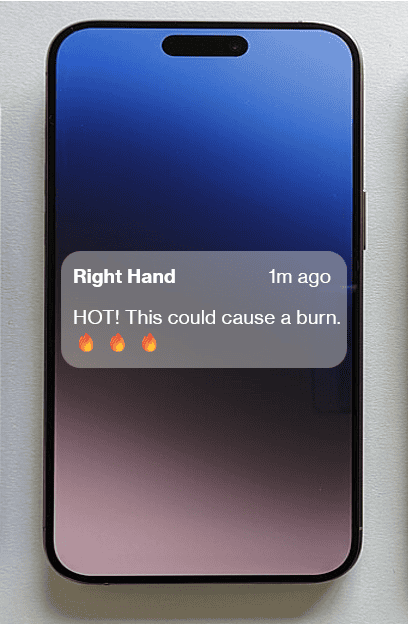
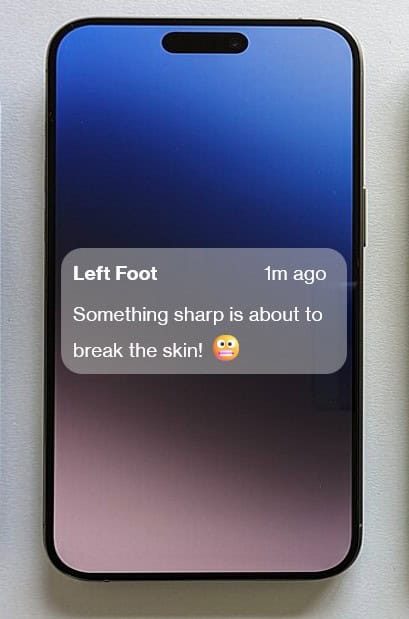
Pain. It’s such a common experience for many of us, yet it remains poorly understood. Much of the burden related to pain stems from difficulty understanding where pain is coming from and identifying what things help and those that make it worse. In this article, I want to shed some light on pain. I’d like to share my perspective in the hope that it helps others understand where their pain is coming from and start to gain some control over it.
The Purpose of Pain
We often think of pain in a negative context, but it is essential to keep us healthy. Pain primarily acts as an attention-grabber. It signals that something is amiss. It provides us with information, often popping up like a notification on your phone.
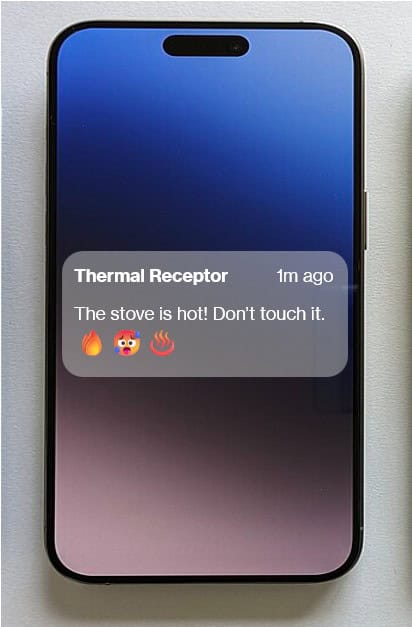
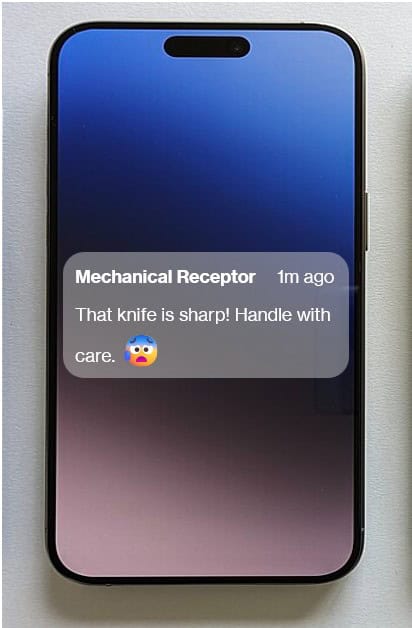
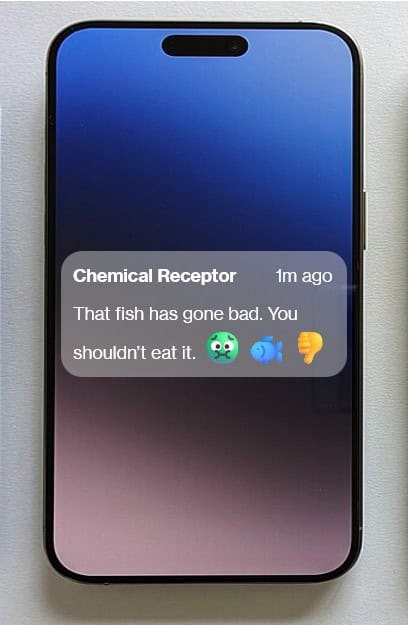
If we check the caller ID for these notifications, we’ll typically see one of three senders: thermal, mechanical, or chemical receptors. Thermal receptors are triggered by anything dangerously hot or cold. Mechanical receptors send pain notifications due to excessive strain, heavy pressure, high impact, or sharp objects piercing the skin. Chemical receptors bring attention to our body’s own inflammation and potentially harmful foreign substances.
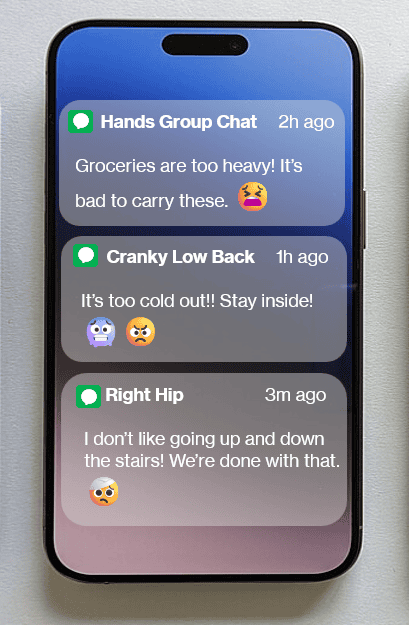
Ideally, these receptors send pain notifications that look a lot like text messages from a parent, telling us to stay safe.
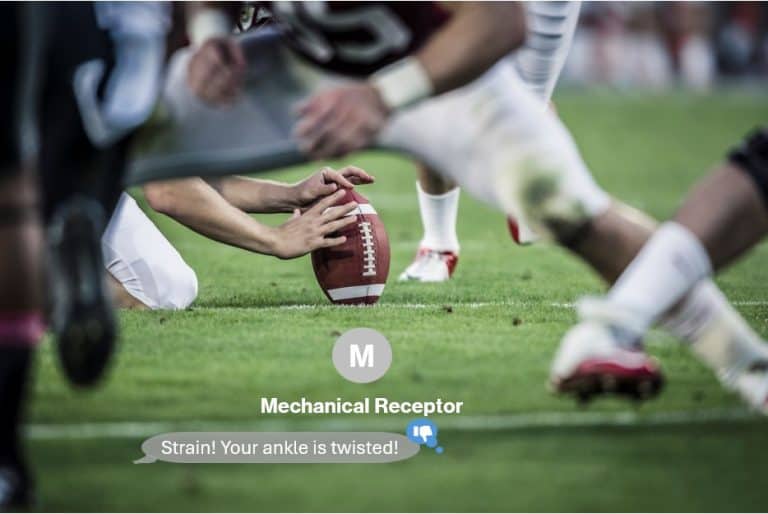
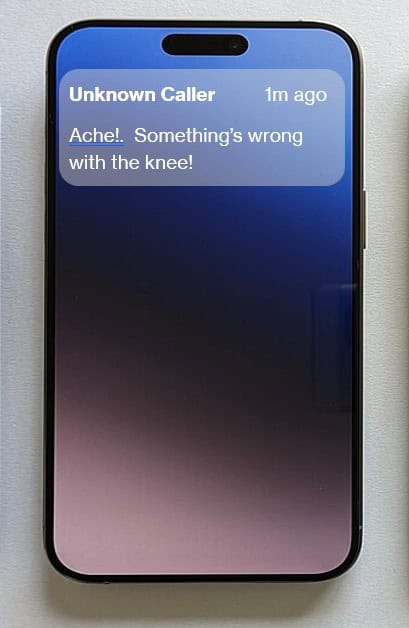
You may get a notification like this in the middle of playing your favorite sport. These notifications are more urgent, like a call from your spouse or partner delivering bad news. Not a pleasant message to receive; it certainly causes a lot more stress than those text messages from your parents. These are seldom solved with a quick fix.
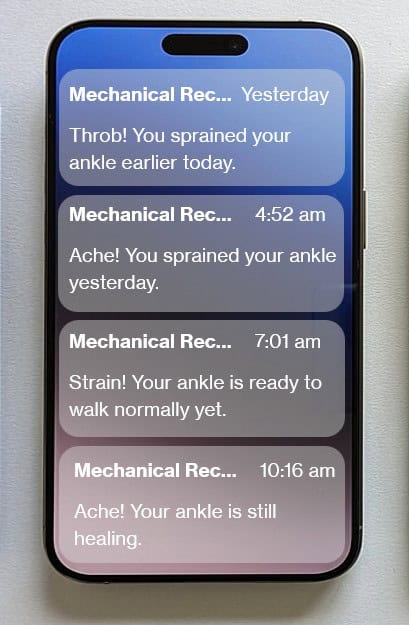
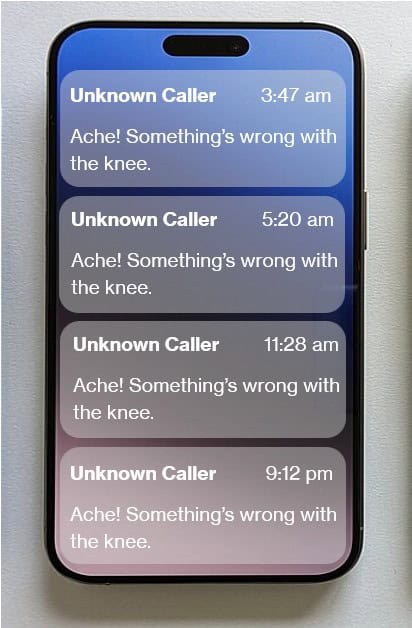
hen, it starts to feel like your partner is nagging you. Getting bad news repetitively doesn’t always feel helpful. But just Like the text messages from your parents, they’re still trying to give you important information. The ongoing pain acts as a reminder to protect the injured site, limit unnecessary stress or strain to the area, and give it time to heal.
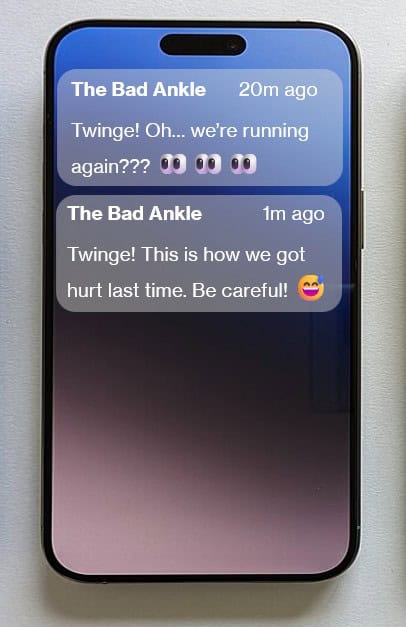
As the injury heals, the pain notifications come less often. The injury requires less attention. We may get a few more notifications as the healing concludes, but the messages are less urgent and less concerning. Once the tissue is strong, the last few twinges are simply reminders to be careful. When working appropriately, the pain notifications stop. We can shift our attention back to the things we prioritize and resume life as usual.
If pain only acted in this manner, we would be much less likely to think so negatively about it. Unfortunately, pain doesn’t always deliver a clear message, and the system has flaws. Without appropriate treatment, the notifications can become a problem.
Problematic Pain
Notifications like these are trouble. They’re more confusing than those texts from our parents and more frustrating than the reminders from our partner. The problem is less clear. The remedy is much less obvious. If we don’t interpret the message, we can’t understand the problem, and we can’t find a solution. The problem persists.
Chemical receptors are a common source of annoying notifications like these, triggered by inflammation. Like pain, inflammation gets a bad reputation. Both are a healthy response to any injury or dysfunction in the body. After an injury, inflammation acts as the cleanup crew. It removes damaged tissue, replaces it with healthy tissue, and eliminates any foreign substances that could lead to infection. As the inflammation does its job, lingering pain serves as a reminder to protect the injured site, care for it, and keep it clean. Once the healing process is complete, the inflammation should diminish. Again, that’s not always the case.
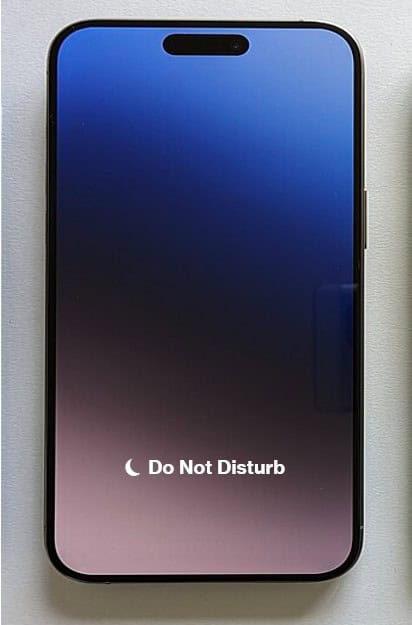
Inflammation can persist or recur over time, especially when we’re unable to identify the source of the problem. Chronic inflammation leads to chronic pain. Many of us fall into this trap because we can’t readily see the source of pain. The associated notifications feel a lot like spam calls. As the notifications continue, it can be quite tempting to ignore them. Distracted by the pain and unable to focus on the things we enjoy in life, we silence our phone.
Ignoring the Problem
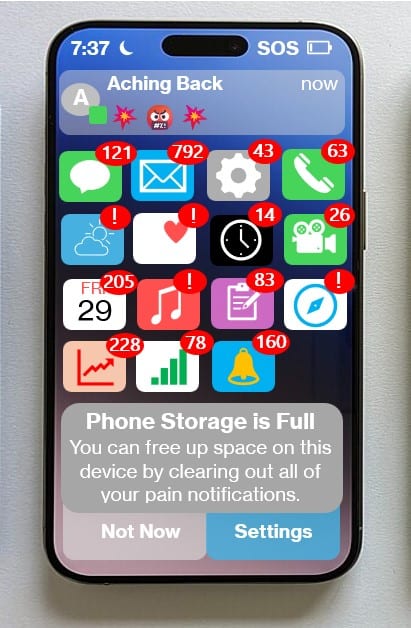
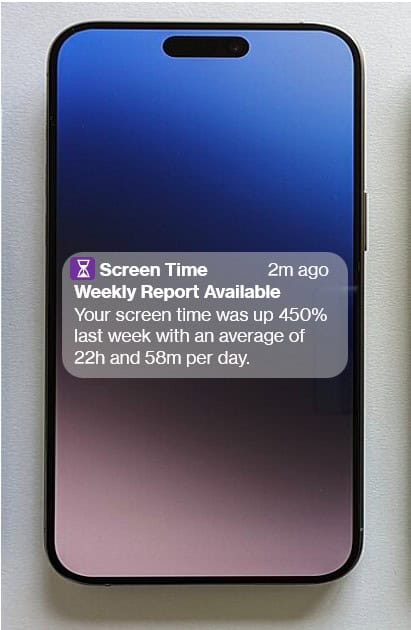
We go on about our day. We may have tuned out the noise, but those notifications were trying to shift our attention to something important. If ignored, we fail to heed the warning. We continue activities that compound the injury with another aggravation and another. Inflammation builds up and persists. When we finally unlock the phone, the notifications have piled up. We have dozens of missed calls and hundreds of unread text messages and emails. Repetitive aggravation can lead to worsening arthritis, chronic tendinopathies, or severe infections.
We missed our opportunity to act early, and it has grown into an emergency. We failed to heed the warnings, continued to aggravate the injury, and allowed the problem to progressively worsen. What could’ve been solved with some activity modification or simple lifestyle changes, now requires surgical intervention. We undervalued the importance of the notifications and missed the opportunity to resolve the problem with an easy solution.
Over-attending to the Problem
On the opposite end of the spectrum, we could just as easily over-attend to pain notifications. In these circumstances, we dedicate too much time to analyzing each notification. We click on everything that pops up on the phone, sign up for several newsletters, download multiple apps with push notifications, and share our contact information on the wrong websites. Now, our phone is endlessly ringing and vibrating with one pain notification after another. Fearful of missing something important, we continue to check every notification that comes through. Over time, it can feel like we’re spending our entire day checking our phone.
If we give too much attention to these notifications, we can heighten the sensitivity of our nervous system. The pain receptors should normally fire with dangerous temperature changes and excessive stress or strain. Now, they generate a pain notification from a warm shower, a light touch, or standing up from a chair. The emergency weather notifications on our phone—intended to warn of hurricanes or tornados—now sound the alarm for a few clouds in the sky. It’s starting to sound like we subscribed to several fear mongering news outlets.
Identifying the Problem
Neglecting or over-attending pain happen most often when we have difficulty identifying a clear source of the problem. We know the hip hurts, but we don’t understand why. Symptoms seem to come and go without rhyme or reason. How can we provide a solution when we’re unable to identify the problem? Over time, we either learn to ignore the notifications or obsess over them.
These notifications begin to feel like the problem, but in fact, the solution lies somewhere within the information they’re attempting to share. Your pain is still sending you an important message. It is never too late to act. Situations like this may require a tech specialist to put an end to the annoying messages. Doctors, physical therapists, and alternative healthcare providers have likely seen these problems before. They can work with you to decipher the message and trace the notifications back to the source. They can filter the important notifications from potential spam. Most importantly, they can teach you to recognize the difference on your own.
Conclusion
This highlights the importance of recognizing and properly interpreting pain from the start. When we learn to identify the truly important notifications, we can better distinguish the concepts of hurt vs harm. I’ll elaborate more on those concepts in a later article. By differentiating those concepts, we can better recognize passing discomfort from sources of genuine danger and dysfunction. Address these notifications in the early phase before they turn into a bigger problem. Prevent your phone from building up an excessive number of unread messages and spam calls. Consult a professional when you’re having trouble identifying the source of these notifications and keep your pain system operating smoothly.
If you’re struggling to manage pain and looking for more guidance call (267) 551 – 0141 to discuss your specific concerns and start working toward solutions.
If you’re interested in learning more about the pain process and general strategies for management, check back for more articles on the topic posted here.
I am not an affiliate and receive no compensation for recommending the following, but I sincerely believe this book is a true difference maker for individuals struggling to manage pain: Explain Pain by David Butler and Lorimer Moseley (hardcopy available at Amazon)

Delivering care to Greater Philadelphia
- (267) 551-0141
- (267) 541-1401
- [email protected]
- Contact